
Can Damaged Siding Be a Sign of Structural Problems?
Damaged siding is often caused by weather, age, poor installation, moisture, or impact. In many cases, the problem is limited to the exterior cladding and can be repaired without making changes to the structure of the home.
However, certain types of siding damage may be a visible sign of movement or deterioration within the walls, foundation, roof, or framing behind it.
Siding that is buckling, separating, cracking, bulging, or repeatedly pulling away from the building may indicate that the exterior wall is moving or that moisture has damaged the structural materials underneath. The concern becomes greater when siding damage appears alongside foundation cracks, sticking doors, uneven floors, roof movement, or interior wall cracks.
The condition of the siding should be evaluated together with the rest of the building rather than treated as an isolated cosmetic issue.
Is Damaged Siding Always a Structural Problem?
No. Most siding damage does not automatically mean a home has structural problems.
Common non-structural causes include:
- Hail
- Wind
- Sun exposure
- Normal aging
- Improper fastening
- Thermal expansion
- Impact from landscaping equipment
- Falling branches
- Poor maintenance
- Manufacturing defects
- Minor water exposure
- Incorrect installation clearances
A cracked vinyl panel or dented piece of aluminum siding may require only a localized repair.
Structural concerns are more likely when the siding damage is widespread, continues to worsen, or reflects movement in the wall behind it.
What Is the Purpose of Siding?
Siding forms part of the exterior wall system.
Depending on the building, the wall assembly may include:
- Interior drywall or plaster
- Wall studs
- Insulation
- Structural sheathing
- Air barriers
- Vapour-control materials
- Weather-resistant barriers
- Flashing
- Furring or drainage spaces
- Exterior siding
The siding protects the building from weather and contributes to its appearance. It is generally not the primary structural component of the wall.
However, the condition of the siding can provide clues about what is happening behind it.
What Types of Siding Damage May Indicate Structural Problems?
Certain patterns are more likely to suggest movement or deterioration within the building.
Bulging or Bowed Siding
Siding that appears to bulge outward may indicate:
- Bowed wall framing
- Swollen sheathing
- Moisture trapped behind the siding
- Improper fastening
- Thermal expansion
- Foundation movement
- Deteriorated structural materials
- Separation between wall components
A localized bulge may be caused by a fastening or installation issue.
A larger area of bowing, especially when the wall itself appears out of alignment, may require closer investigation.
Siding Pulling Away From the Wall
Siding may separate from the building because of:
- Failed fasteners
- Wind damage
- Rotten sheathing
- Movement in wall framing
- Improper installation
- Structural settlement
- Impact
- Water infiltration
If fasteners no longer hold because the material behind the siding has deteriorated, replacing the siding alone may not provide a lasting repair.
Repeated Siding Cracks
One cracked panel may result from impact or age.
Repeated cracks across the same wall may indicate:
- Wall movement
- Excessive thermal stress
- Poor installation
- Foundation settlement
- Framing deflection
- Structural separation
- Inadequate expansion space
Cracks that return after repair may suggest that the underlying movement has not been addressed.
Wavy or Uneven Siding
Siding should generally follow the plane of the exterior wall.
A wavy surface may be caused by:
- Uneven framing
- Warped sheathing
- Moisture damage
- Overdriven fasteners
- Improper installation
- Foundation settlement
- Wall bowing
- Heat exposure
Some siding products naturally show minor surface variation. New or increasing distortion deserves closer attention.
Gaps Between Siding Panels
Gaps may develop because of:
- Expansion and contraction
- Poor installation
- Loose fasteners
- Wind
- Wall movement
- Building settlement
- Material shrinkage
A small gap in one panel may not be serious.
Multiple gaps concentrated near a building corner, window, addition, or foundation crack may indicate movement in the structure behind the siding.
Siding Damage Near Doors and Windows
Cracking or separation around openings may indicate movement of:
- Wall framing
- Headers
- Window or door frames
- Foundations
- Structural sheathing
Warning signs include:
- Diagonal siding cracks
- Gaps at window corners
- Distorted trim
- Doors that no longer close
- Windows that are difficult to open
- Cracks in interior finishes around the same opening
Openings create interruptions in the wall and may reveal movement more quickly than uninterrupted sections.
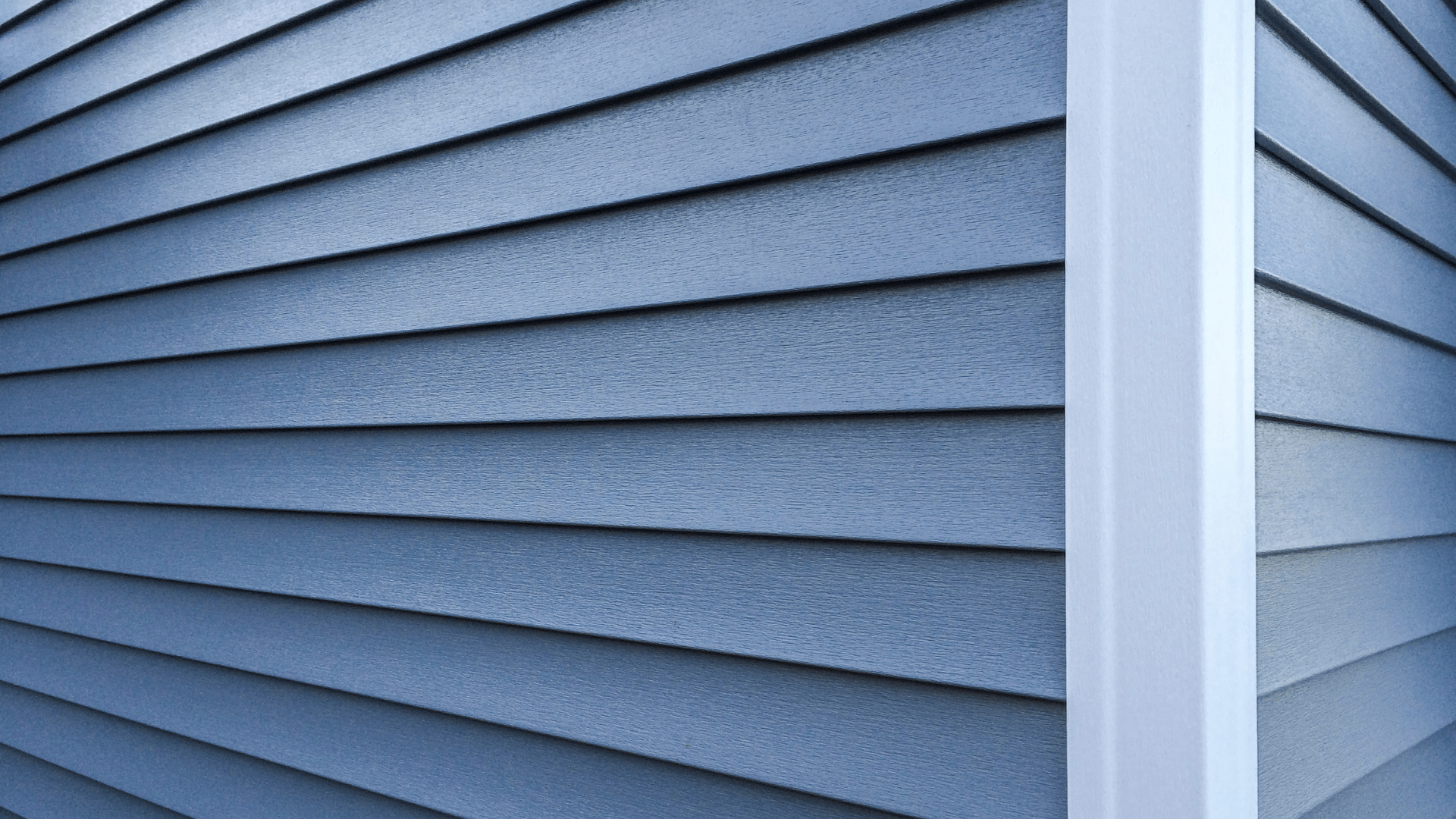
Siding Separation at Building Corners
Corners connect intersecting walls and often contain structural framing, trim, flashing, and weatherproofing details.
Separation at a corner may result from:
- Failed corner trim
- Poor installation
- Wind damage
- Rot
- Wall movement
- Foundation settlement
- Movement between additions
- Impact damage
A growing gap between walls or building sections should not be treated as a siding issue alone.
Siding Damage Where an Addition Meets the Home
An addition may move differently from the original house because it may have:
- A different foundation
- A different construction age
- Different soil support
- Different framing
- Different drainage conditions
- Different building loads
Possible warning signs include:
- Vertical gaps
- Cracked siding
- Open trim joints
- Roof separation
- Water entry
- Uneven floor levels
- Interior cracks at the connection
Movement at the joint may indicate differential settlement between the two structures.
Cracked Brick or Masonry Siding
Brick veneer, stone veneer, and masonry cladding can crack because of:
- Foundation settlement
- Corroded lintels
- Thermal expansion
- Moisture
- Inadequate support
- Wall movement
- Poor installation
- Missing expansion joints
More concerning patterns include:
- Stair-step cracks
- Cracks through bricks or stones
- Bulging masonry
- Displaced units
- Separation around windows
- Movement at building corners
- Cracks extending into the foundation
Masonry cladding is brittle and often reveals movement clearly.
Siding Damage Near the Foundation
Damage near the bottom of a wall may result from:
- Water splashback
- Snow accumulation
- Landscaping contact
- Inadequate ground clearance
- Rot
- Foundation movement
- Pest damage
- Failed flashing
Structural concern increases when the area also has:
- Foundation cracks
- Settlement
- Rotten sill plates
- Damaged rim boards
- Uneven floors
- Gaps between the wall and foundation
The lower part of the exterior wall is especially vulnerable to moisture.
Can Foundation Movement Damage Siding?
Yes. Foundation movement can change the alignment of the walls above.
Possible effects include:
- Cracked siding
- Open joints
- Distorted corners
- Gaps around windows
- Misaligned doors
- Bulging wall surfaces
- Cracked masonry
- Separation between building sections
Foundation-related siding damage is often accompanied by other signs, such as:
- Diagonal drywall cracks
- Uneven floors
- Sticking doors
- Stair-step foundation cracks
- Gaps at ceilings
- Cracks around openings
A siding repair may hide the visible symptom without correcting the foundation movement.
Can Wall Framing Problems Damage Siding?
Yes. Exterior wall framing supports the sheathing and siding.
Framing problems may include:
- Bowed studs
- Rotten wall plates
- Damaged headers
- Missing bracing
- Impact damage
- Overloading
- Poor connections
- Improper alterations
- Settlement
A bowed or leaning wall may cause siding to appear:
- Wavy
- Bulged
- Cracked
- Loose
- Misaligned
The interior side of the wall may also show cracks, separation, or distorted openings.
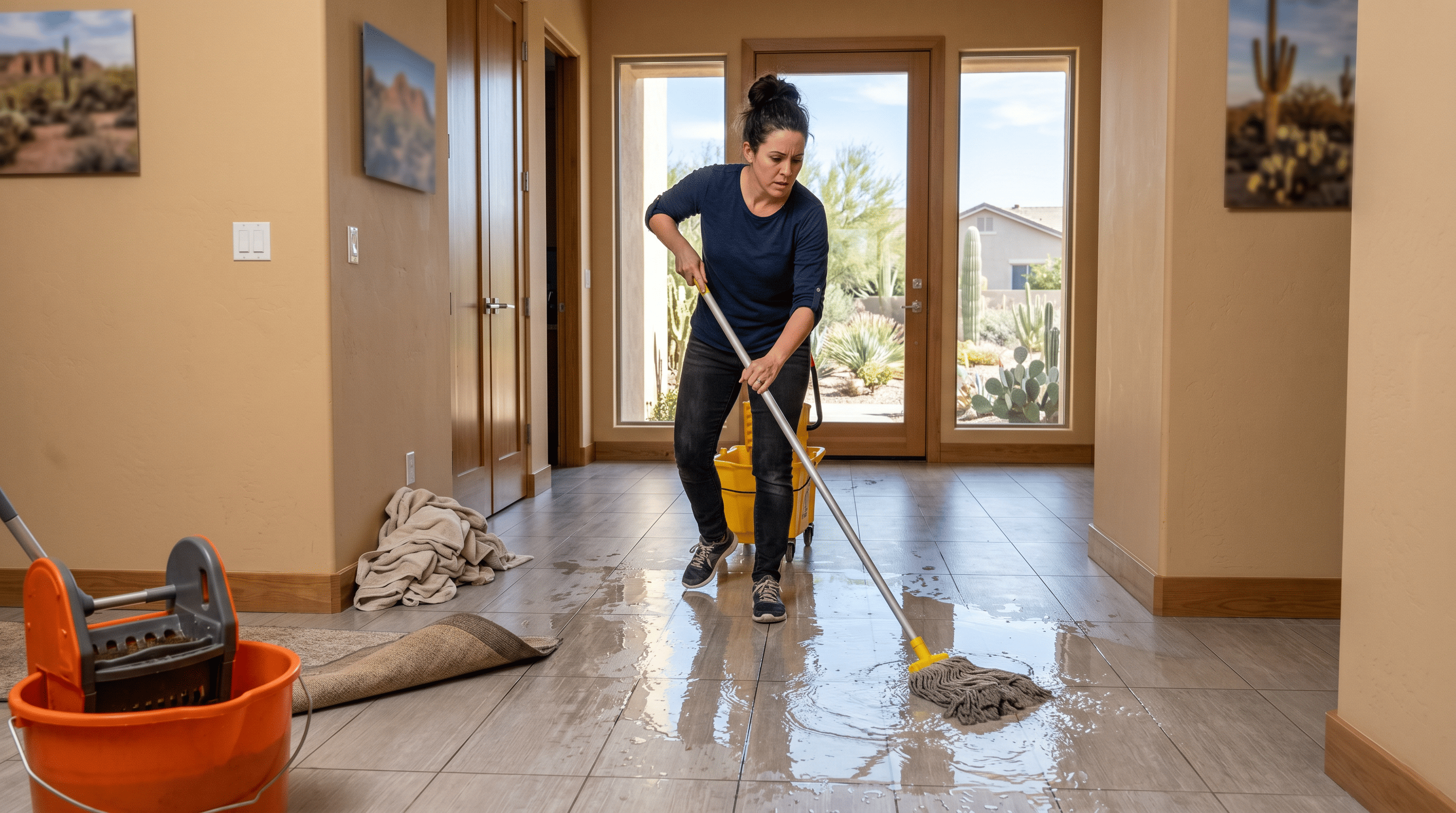
Can Moisture Behind Siding Cause Structural Damage?
Yes. Moisture is one of the most common causes of serious problems behind siding.
Water may enter through:
- Failed flashing
- Damaged siding
- Open joints
- Windows
- Doors
- Roof intersections
- Exterior penetrations
- Deck connections
- Improperly sealed vents
- Missing weather barriers
If moisture remains trapped, it may damage:
- Wall studs
- Structural sheathing
- Headers
- Rim boards
- Sill plates
- Fasteners
- Connectors
- Insulation
- Interior finishes
The siding may show only minor staining or warping while concealed wood has begun to rot.
What Are the Signs of Moisture Damage Behind Siding?
Possible warning signs include:
- Swollen siding
- Peeling paint
- Soft exterior materials
- Musty interior odours
- Mold
- Interior wall staining
- Rot around windows
- Loose siding fasteners
- Bubbling finishes
- Water entering during rain
- Damaged trim
- Insect activity
Moisture damage may be concentrated near:
- Roof-to-wall intersections
- Window and door openings
- Deck ledgers
- Exterior vents
- Wall penetrations
- Building corners
- The bottom of walls
Can Rot Behind Siding Become Structural?
Yes. Rot becomes a structural concern when it affects load-bearing wall components.
These may include:
- Studs
- Headers
- Sill plates
- Rim boards
- Structural sheathing
- Posts
- Beam ends
- Connections
Rot may reduce:
- Strength
- Stiffness
- Fastener capacity
- Bearing capacity
- Wall bracing
- Connection reliability
A wall can remain standing while having significantly reduced resistance to wind, vertical loads, or impact.
Can Siding Damage Indicate Roof Problems?
Yes. Roof movement and roof leaks can affect the walls and siding below.
Possible causes include:
- Damaged rafters
- Roof truss movement
- Missing roof ties
- Roof spread
- Failed flashing
- Ice damming
- Gutter overflow
- Sagging roof framing
Signs may include:
- Gaps below the roof edge
- Siding movement near the upper wall
- Cracks at gable ends
- Bulging soffits
- Distorted fascia
- Interior ceiling cracks
- A sagging roofline
Water from the roof may travel behind siding and damage the wall assembly without appearing immediately inside the home.
Can Wind Damage to Siding Affect the Structure?
Wind may damage siding without affecting the structural wall.
However, severe wind can also:
- Pull siding away
- Damage sheathing
- Loosen wall connections
- Break windows
- Move roof framing
- Expose structural materials to water
- Damage gable walls
- Affect poorly braced exterior walls
Structural review may be appropriate when the wall has moved, the sheathing is damaged, or the siding loss is part of a larger storm-related event.
Can Impact Damage to Siding Be Structural?
Yes. Vehicle impacts, falling trees, large branches, construction equipment, and heavy objects can damage more than the siding.
An impact may affect:
- Wall studs
- Sheathing
- Headers
- Posts
- Foundation walls
- Interior finishes
- Structural connections
- Utility lines
Warning signs include:
- A wall pushed inward
- Cracked interior drywall
- Doors that no longer operate
- Broken studs
- Foundation cracks
- Displaced windows
- Gaps at wall corners
Impact damage should be assessed beyond the visible siding surface.
Can Insects Damage the Structure Behind Siding?
Yes. Moisture-damaged areas behind siding may attract wood-destroying insects.
Possible signs include:
- Small holes
- Tunnels
- Soft wood
- Sawdust-like material
- Damaged trim
- Loose siding
- Insect activity around wall openings
Pest activity can weaken studs, sheathing, sill plates, and other structural components.
A pest-control specialist may be needed along with building or structural professionals.
What Other Signs Suggest a Structural Problem?
Damaged siding becomes more concerning when other parts of the home show movement.
Foundation Cracks
Pay attention to foundation cracks that are:
- Horizontal
- Diagonal
- Stair-step shaped
- Wide
- Displaced
- Growing
- Located below damaged siding
A crack directly below a distorted wall may help identify the source of movement.
Sticking Doors and Windows
Several doors or windows becoming difficult to operate may indicate that wall openings are moving out of square.
Look for:
- Uneven frame gaps
- Locks that no longer align
- Cracked glass
- Separating trim
- Cracks around openings
- Exterior siding distortion in the same area
Interior Drywall Cracks
Interior cracks may align with exterior siding damage.
More concerning patterns include:
- Diagonal cracks above openings
- Cracks extending through several rooms
- Separation at ceilings
- Cracks at building corners
- Cracks that continue to widen
Uneven Floors
Floor movement may indicate:
- Foundation settlement
- Damaged joists
- Sagging beams
- Shifted columns
- Rot
- Soil movement
An uneven floor near a distorted exterior wall may suggest that the problem extends beyond the siding.
Bowed or Leaning Walls
A wall that appears visibly out of alignment should be assessed.
Possible signs include:
- Bulging siding
- Curved interior finishes
- Gaps at corners
- Distorted windows
- Separation from the roof
- Foundation movement
Roofline Changes
A sagging or uneven roof may indicate movement affecting the walls below.
Look for:
- A dip in the ridge
- Wavy roof slopes
- Misaligned gutters
- Bulging soffits
- Gaps above siding
- Cracks in upper walls
Gaps Between Building Components
New gaps may appear between:
- Siding and trim
- Walls and foundations
- Additions and original structures
- Roofs and walls
- Windows and siding
- Exterior corners
Growing gaps can indicate movement or failed connections.
How Can You Tell Whether the Problem Is Siding or Structure?
The distinction often depends on the pattern and surrounding conditions.
The problem may be limited to siding when:
- Damage is localized
- A clear impact caused it
- The wall remains straight
- Doors and windows operate normally
- No interior cracks are present
- The foundation appears unchanged
- The damage does not continue growing
- The sheathing and framing are sound
A structural problem is more likely when:
- The wall is bowed or leaning
- Damage affects a large area
- Siding repeatedly cracks or separates
- Openings are distorted
- Interior cracks align with exterior damage
- Foundation movement is present
- Floors are uneven
- Rot affects structural framing
- Building sections are separating
Should Damaged Siding Be Removed for Inspection?
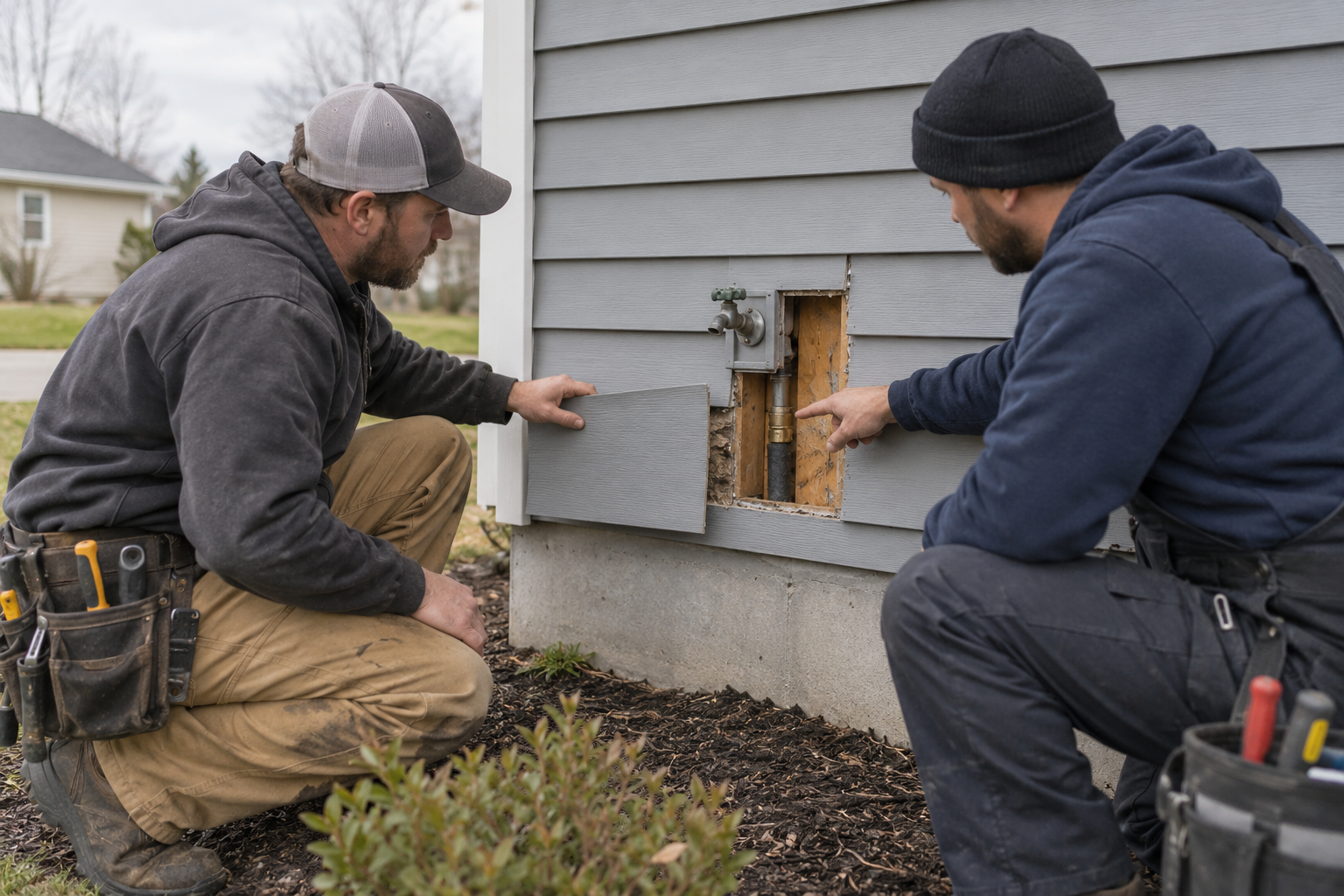
Sometimes.
Removing selected panels may be necessary to inspect:
- Sheathing
- Studs
- Flashing
- Weather barriers
- Structural connections
- Rot
- Insect damage
- Impact damage
Exploratory removal may be appropriate when:
- Moisture is suspected
- The siding is bulging
- Fasteners no longer hold
- Interior damage is visible
- The wall has moved
- Damage is concentrated around an opening
- Previous repairs have failed
The area should be protected from weather during the investigation.
Who Should Inspect Damaged Siding?
The appropriate professional depends on the suspected cause.
Siding Contractor
May assess:
- Panel damage
- Installation problems
- Fasteners
- Expansion clearance
- Localized replacement
- Weather exposure
Building-Envelope Specialist
May assess:
- Water entry
- Flashing
- Air barriers
- Weather barriers
- Cladding systems
- Condensation
- Drainage behind siding
General Contractor
May coordinate:
- Opening walls
- Replacing damaged materials
- Repair sequencing
- Interior and exterior restoration
Pest-Control Specialist
May assess:
- Termites
- Carpenter ants
- Other wood-destroying insects
Structural Engineer
May assess:
- Bowed or leaning walls
- Foundation movement
- Damaged framing
- Headers and posts
- Structural sheathing
- Impact damage
- Temporary support
- Structural repair design
When Should a Structural Engineer Be Considered?
Structural engineering assessment may be appropriate when:
- The exterior wall is leaning or bowing
- Siding damage aligns with foundation cracks
- Doors and windows have shifted
- Interior cracks have appeared
- Floors are uneven
- The wall has sustained a major impact
- Structural framing is rotten
- Building sections are separating
- A roof or upper floor has moved
- Major wall reconstruction is proposed
- Temporary shoring may be required
- The remaining strength of the wall is uncertain
The engineer evaluates the load-bearing wall system rather than the siding alone.
What Happens During a Structural Assessment?
The engineer may review:
- The pattern of siding damage
- Wall alignment
- Foundation condition
- Interior cracks
- Floors
- Doors and windows
- Roof framing
- Building additions
- Water-damage history
- Impact events
- Previous renovations
The inspection may include:
- Observing the exterior wall
- Checking for bowing or leaning
- Reviewing foundation cracks
- Inspecting interior finishes
- Checking doors and windows
- Reviewing visible framing
- Examining the basement or crawl space
- Inspecting the attic where relevant
- Identifying areas requiring exposure
- Recommending repair, monitoring, or further investigation
What Repairs May Be Required?
The repair depends on the underlying cause.
Localized Siding Repair
When the damage is limited to the cladding, repairs may include:
- Panel replacement
- Ref fastening
- Trim replacement
- Repainting
- Joint correction
- Improving expansion clearances
Moisture and Flashing Repair
Water-related repairs may include:
- Replacing flashing
- Repairing windows
- Correcting roof-to-wall details
- Installing weather barriers
- Improving drainage
- Repairing sealants
- Replacing wet insulation
Sheathing Replacement
Rotten, swollen, or damaged sheathing may need to be removed and replaced.
The wall framing should be inspected while the sheathing is exposed.
Stud or Wall-Plate Repair
Damaged structural framing may require:
- Stud replacement
- Sistered studs
- New wall plates
- Header replacement
- Reinforcement
- New anchors
- Temporary shoring
Foundation Repair
Foundation-related movement may require:
- Crack repair
- Drainage improvements
- Wall reinforcement
- Underpinning
- Soil stabilization
- New footings
- Foundation reconstruction
Impact-Damage Repair
Repairs after an impact may include:
- Wall realignment
- Stud replacement
- Sheathing replacement
- Header repair
- New structural connections
- Foundation repair
- Interior finish replacement
Roof and Wall Connection Repair
Movement near the top of the wall may require:
- New connectors
- Roof-framing repair
- Wall bracing
- Sheathing replacement
- Gable reinforcement
- Uplift connections
Should the Siding Be Repaired Before the Cause Is Known?
Significant or recurring siding damage should not be covered before the cause is understood.
Repairing the surface too early can:
- Conceal rot
- Hide structural movement
- Trap moisture
- Make inspection more difficult
- Lead to repeated repairs
- Cover damaged connections
Emergency weather protection may still be necessary while investigation and permanent repairs are planned.
Can Damaged Siding Affect a Home Sale?
Yes. Visible exterior damage may concern buyers, home inspectors, insurers, and lenders.
The concern may be greater when there is uncertainty about:
- Water infiltration
- Hidden rot
- Foundation movement
- Structural wall damage
- Repeated repairs
- Insect activity
- Missing permits
Useful documentation may include:
- Siding repair invoices
- Moisture investigations
- Structural reports
- Building-envelope reports
- Permit records
- Photos of exposed framing
- Final inspection records
How Can Siding-Related Structural Problems Be Prevented?
Preventive maintenance may include:
- Inspecting siding regularly
- Repairing damaged panels
- Maintaining caulking where appropriate
- Keeping gutters clear
- Directing downspouts away from the foundation
- Maintaining roof flashing
- Repairing window and door leaks
- Preserving proper ground clearance
- Avoiding soil or mulch against siding
- Maintaining exterior paint
- Investigating bulges and gaps early
- Inspecting deck connections
- Correcting drainage problems
- Repairing impact damage promptly
Moisture should be prevented from remaining behind the exterior wall system.
Questions to Ask About Damaged Siding
Useful questions include:
- When did the damage first appear?
- Is it getting worse?
- Was there a storm or impact?
- Is the wall straight?
- Are doors or windows sticking?
- Are interior cracks present?
- Is there a foundation crack below the damage?
- Has water entered the wall?
- Is the sheathing soft or swollen?
- Do fasteners still hold?
- Is there insect activity?
- Does the damage occur near an addition?
- Are exploratory openings needed?
- Is structural framing affected?
- Should the wall be monitored?
Frequently Asked Questions
Does cracked siding mean the foundation is moving?
Not necessarily. Siding may crack because of impact, temperature changes, age, or poor installation. Foundation movement is more likely when the damage is accompanied by cracks, uneven floors, or distorted openings.
Can bulging siding indicate rot?
Yes. Bulging may result from swollen sheathing, trapped moisture, rotten framing, or installation problems.
Can damaged vinyl siding be structural?
Vinyl siding itself is generally not structural. Its damage may still reveal movement or deterioration in the wall behind it.
Are cracks in brick siding structural?
They can be. Stair-step cracks, displaced bricks, bulging walls, and cracks extending into the foundation deserve closer attention.
Can siding damage cause structural problems?
Damaged siding can allow water into the wall. Prolonged moisture may rot sheathing, studs, wall plates, and structural connections.
Can wind-damaged siding affect wall strength?
The siding damage may be cosmetic, but severe wind can also damage sheathing, bracing, roof connections, and wall framing.
Should siding be removed to check for rot?
Selected areas may need to be removed when moisture, soft materials, failed fasteners, or structural movement are suspected.
Can a bowed exterior wall be repaired?
Often, yes. The repair depends on whether the cause is framing damage, foundation movement, rot, impact, or missing bracing.
Does mold behind siding mean the wall is structurally damaged?
Not automatically. Mold indicates moisture exposure. Structural concern increases when framing or sheathing is soft, rotten, deformed, or losing material.
When should an engineer inspect siding damage?
Structural review should be considered when siding damage is associated with wall movement, foundation cracks, shifted openings, impact damage, rot, or separation between building sections.
Final Thoughts
Damaged siding is not always a sign of structural trouble. Many problems are caused by weather, age, impact, improper installation, or normal material movement.
The damage becomes more concerning when the siding is bulging, repeatedly cracking, separating around openings, or reflecting movement in the wall behind it.
Foundation cracks, sticking doors, uneven floors, interior drywall cracks, roof movement, and visible wall bowing may indicate that the issue extends beyond the exterior cladding.
Investigating recurring or unusual siding damage before replacing it can help identify concealed moisture, rot, damaged framing, or structural movement that would otherwise remain hidden.
This article provides general information and is not a substitute for property-specific structural, building-envelope, foundation, restoration, pest-control, construction, or building permit advice.
Easy steps to create a color palette
Lorem ipsum dolor sit amet, consectetur adipiscing elit lobortis arcu enim urna adipiscing praesent velit viverra sit semper lorem eu cursus vel hendrerit elementum morbi curabitur etiam nibh justo, lorem aliquet donec sed sit mi dignissim at ante massa mattis.
- Neque sodales ut etiam sit amet nisl purus non tellus orci ac auctor
- Adipiscing elit ut aliquam purus sit amet viverra suspendisse potent
- Mauris commodo quis imperdiet massa tincidunt nunc pulvinar
- Excepteur sint occaecat cupidatat non proident sunt in culpa qui officia
What is a color palette?
Vitae congue eu consequat ac felis placerat vestibulum lectus mauris ultrices cursus sit amet dictum sit amet justo donec enim diam porttitor lacus luctus accumsan tortor posuere praesent tristique magna sit amet purus gravida quis blandit turpis.

Don’t overspend on growth marketing without good retention rates
At risus viverra adipiscing at in tellus integer feugiat nisl pretium fusce id velit ut tortor sagittis orci a scelerisque purus semper eget at lectus urna duis convallis porta nibh venenatis cras sed felis eget neque laoreet suspendisse interdum consectetur libero id faucibus nisl donec pretium vulputate sapien nec sagittis aliquam nunc lobortis mattis aliquam faucibus purus in.
- Neque sodales ut etiam sit amet nisl purus non tellus orci ac auctor
- Adipiscing elit ut aliquam purus sit amet viverra suspendisse potenti
- Mauris commodo quis imperdiet massa tincidunt nunc pulvinar
- Adipiscing elit ut aliquam purus sit amet viverra suspendisse potenti
What’s the ideal customer retention rate?
Nisi quis eleifend quam adipiscing vitae aliquet bibendum enim facilisis gravida neque euismod in pellentesque massa placerat volutpat lacus laoreet non curabitur gravida odio aenean sed adipiscing diam donec adipiscing tristique risus amet est placerat in egestas erat.
“Lorem ipsum dolor sit amet consectetur adipiscing elit, sed do eiusmod tempor incididunt ut labore et dolore magna aliqua enim ad minim veniam.”
Next steps to increase your customer retention
Eget lorem dolor sed viverra ipsum nunc aliquet bibendum felis donec et odio pellentesque diam volutpat commodo sed egestas aliquam sem fringilla ut morbi tincidunt augue interdum velit euismod eu tincidunt tortor aliquam nulla facilisi aenean sed adipiscing diam donec adipiscing ut lectus arcu bibendum at varius vel pharetra nibh venenatis cras sed felis eget.